
MADERA COUNTY, CA – Anyone who has spent time living in the Sierra foothills knows that water is never just “water.” It is snowpack, it is survival, it is the strength of our forests, and it is often the first topic of conversation when another dry winter sets in. So it may come as a surprise to some local residents that if you’ve ever taken a sip from a drinking fountain in the greater San Francisco Bay Area, there’s a good chance you’ve tasted Yosemite — even if you haven’t set foot inside the park.
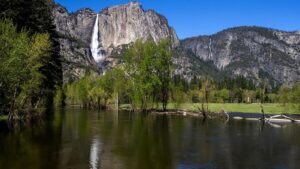
For those of us who live just down the road from Yosemite National Park, that connection is no surprise. Water is part of our everyday reality, and the park’s hydrology plays an outsized role in supporting both our local ecosystems and millions of Californians far beyond these mountains.
Yosemite’s watersheds, shaped over millennia by glaciers, granite, and relentless runoff, are more than iconic scenery. They are one of California’s most important natural reservoirs, feeding rivers, creeks, and aquifers that ultimately supply drinking water to millions of people — including the 2.6 million residents served by San Francisco’s Hetch Hetchy system.
And yes, that means many Bay Area families know exactly what Yosemite tastes like.
Where the Park’s Drinking Water Comes From
Inside Yosemite, most of the water visitors drink comes directly from sources within the park. In familiar places such as Yosemite Valley, that drinking water is pumped from alluvial aquifers beneath the valley floor. These underground layers of gravel and sediment store water fed by snowmelt and seasonal rains, much like the aquifers that sustain rural communities throughout the Sierra foothills.
Tuolumne Meadows and Wawona rely on similar groundwater wells, while more remote regions of the park depend on surface water from lakes, rivers, and high-country springs. Regardless of the source, the National Park Service (NPS) maintains treatment systems that disinfect and filter the water before sending it to campgrounds, lodges, trailheads, and dining areas.
Visitors using the official NPS mobile app can locate water refill stations throughout Yosemite — a crucial resource for those accustomed to hot summer hikes or family outings during peak visitation season.
Collecting Your Own Yosemite Water (Safely)
Backcountry hikers and backpackers know that Yosemite’s waters — while beautiful — are not automatically safe to drink. Clear creeks and alpine lakes can still harbor Giardia, Cryptosporidium, or other harmful pathogens.
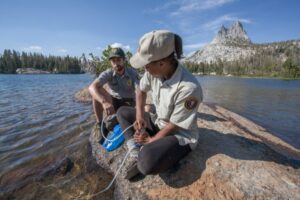
For Sierra residents who regularly recreate in the high country, the park’s guidance reads like familiar backcountry law:
-
Choose flowing streams over still ponds.
-
Avoid collecting water downstream of camps, grazing areas, or heavy human use.
-
Always carry a reliable filtration or purification system, whether that’s a pump filter, chemical tablets, or a UV sterilizer.
-
Boiling remains the gold standard: one minute at sea level, three minutes at higher elevations.
-
Camp and dispose of any waste at least 100 feet from water sources — except along the Tuolumne River, where the buffer increases to 300 feet.
The NPS also urges visitors to carry at least one liter of water per hour when hiking in warm weather, a reminder many foothill locals are already well acquainted with, especially in late summer when seasonal streams run dry.
Hetch Hetchy: Yosemite’s Most Powerful Water Source
While much of Yosemite’s drinking water stays inside the park, the watershed that Madera County residents hear about most often is Hetch Hetchy — the controversial reservoir located in Yosemite’s northwest corner.
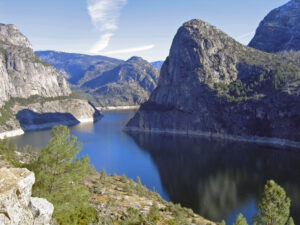
Once a valley inhabited for thousands of years, Hetch Hetchy was dammed after Congress passed the Raker Act in 1913, despite fierce opposition from preservationist John Muir. By 1934, its water was flowing 167 miles west through a gravity-fed system of tunnels and pipelines to serve San Francisco and surrounding communities.
Today, Hetch Hetchy holds 117 billion gallons of exceptionally pure water, supplying roughly 80 percent of the Bay Area’s drinking water. San Francisco remains one of only six major U.S. cities not required to filter its municipal water, a point locals there often take pride in — and one rooted in the pristine quality of Yosemite’s watershed.
For those of us in the mountain communities of eastern Madera County, Hetch Hetchy’s story is a reminder of just how deeply Yosemite’s resources shape life across the state. What begins as snow in our backyard becomes the lifeline for millions.
Sustainable Sips of the Sierra
Whether you’re filling a bottle at Curry Village, pumping water at a backcountry campsite, or turning on a faucet 150 miles from the Sierra Nevada, Yosemite’s waters are flowing through your life. Protecting them takes consistent stewardship — from the NPS, from visitors, and from those of us who call the Sierra home.
So the next time you take a drink, whether in Yosemite, the Bay Area, or right here in Madera County, remember: you might be tasting a drop of the mountains we’re lucky enough to live beside.
Advice From VYMC About Winter Travel In Yosemite