
Summer is one of the best times of year to enjoy everything our mountain communities have to offer.
Whether you’re hiking Lewis Creek, paddling Bass Lake, spending the afternoon along the Merced River, fishing at Manzanita Lake, or exploring Yosemite National Park, thousands of people head outdoors every weekend to enjoy the Sierra.
Most return home with great memories.
Some don’t.
According to the National Park Service, Yosemite is home to one of the busiest search and rescue programs in the National Park System, responding to nearly 200 incidents each year. While those rescues take place inside the park, the lessons shared by search and rescue professionals apply just as much to the lakes, rivers, trails, and forests throughout Eastern Madera County and Mariposa County.
Ask almost any search and rescue team what outdoor enthusiasts can do to improve their chances of coming home safely, and one piece of advice rises to the top.
Rule Number One: Tell Someone Where You’re Going—and When You’ll Be Back
Search and rescue professionals consistently say this is one of the most important things anyone can do before heading outdoors.
Before leaving home, tell someone exactly where you’re going—not just that you’re “going hiking” or “heading to the lake.”
Tell them which trail, lake, or recreation area you’ll be visiting. Let them know where you’ll park, who is with you, and if your route has multiple options, which one you plan to take.
Just as importantly, tell them when you expect to return.
That second part is every bit as important as the first.
Search and rescue teams often say that time is one of their greatest allies. The sooner someone realizes you’re overdue, the sooner help can be notified and rescuers can begin searching the right area. Every hour that passes without anyone realizing something is wrong can make a search more difficult and reduce the chances of a quick rescue.
If your plans change and you still have cell service, send a quick text. Let someone know you’ve changed locations, decided to stay longer, or made it back safely.
It takes less than a minute, but it could make all the difference.
Now That We’ve Covered Rule Number One…
Fortunately, staying safe outdoors usually isn’t complicated.
Emergency responders and experienced outdoorsmen often point to a handful of simple habits that prevent many of the situations they encounter every summer.
Start Earlier Than You Think
Getting an early start means cooler temperatures, fewer crowds, and more daylight if your adventure takes longer than expected. It also helps reduce the risk of heat-related illnesses during the hottest part of the afternoon.
Bring More Water Than You Think You’ll Need
Dehydration is one of the most common problems people experience outdoors during the summer months.
Whether you’re hiking, fishing, paddling, or spending the afternoon by the river, carrying extra water—and drinking it before you feel thirsty—can make a big difference.
Remember the Trip Isn’t Over Yet
Reaching your destination is exciting, but experienced hikers and rescuers alike point out that many injuries happen on the return trip, when people are tired and less focused.
Save enough energy for the hike, paddle, or walk back to your vehicle.
Dress for Where You’re Going
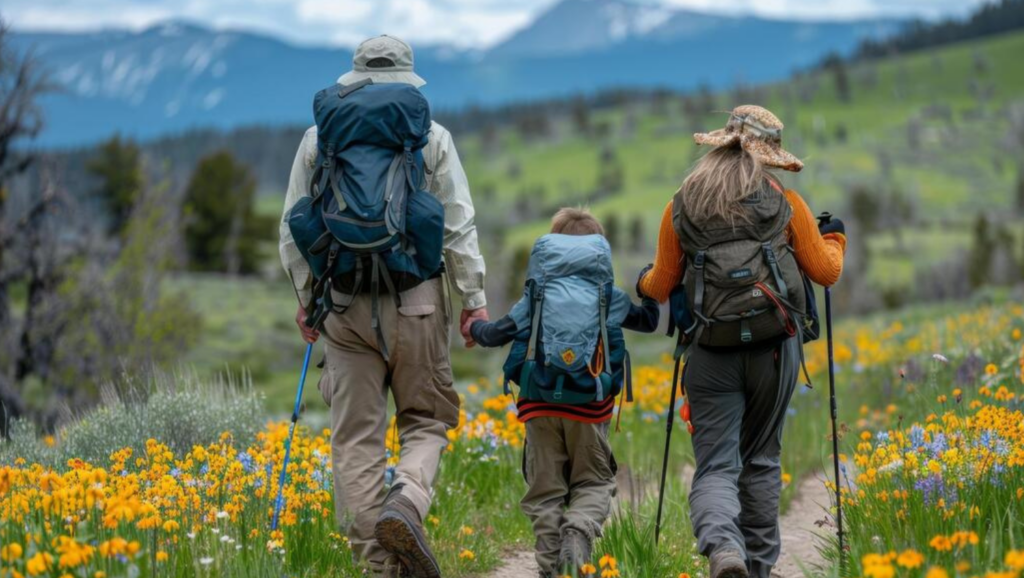
Good footwear, sun protection, and a small pack with water, snacks, and a few basic supplies can turn an inconvenience into a minor hiccup instead of an emergency.
Respect Rivers, Lakes, and Creeks
Our mountain waterways are one of the best parts of summer, but they also deserve respect.
Cold water, changing currents, slippery rocks, and underwater hazards aren’t always obvious. Before getting in, take a few moments to assess the conditions and choose established public access areas whenever possible.
Small Decisions Matter
One of the common themes shared by search and rescue professionals is that outdoor emergencies rarely begin with one dramatic mistake.
More often, they’re the result of several small decisions that slowly add up—starting later than planned, bringing too little water, pushing beyond your limits, or skipping that quick phone call before leaving home.
The Best Story Is the One You Get to Tell
Living in the Sierra means we’re surrounded by incredible places to explore, often just a short drive from home.
The advice shared by search and rescue professionals isn’t meant to discourage adventure. It’s meant to help people enjoy it safely.
A little planning before you leave, a little extra water in your pack, and someone who knows where you’re going—and when to expect you back—can go a long way toward making sure your next outdoor adventure ends the way it should.
With great memories…and plans to do it again next weekend.