
YOSEMITE NATIONAL PARK, CA – Badger Pass Ski Area holds a unique place in California’s winter recreation history. Recognized as the oldest ski resort in California, and one of only three ski areas in the United States
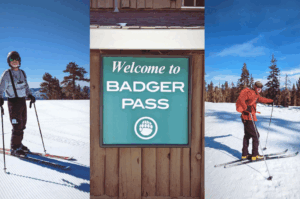
located within a national park, Badger Pass continues to operate as a small, publicly accessible winter recreation area inside Yosemite National Park. Its historic status, combined with its setting among protected wilderness, distinguishes it from most modern commercial ski resorts.
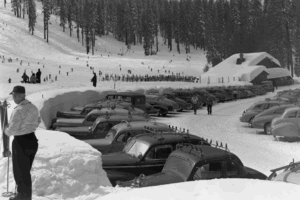
Located along Glacier Point Road at approximately 7,200 feet in elevation, Badger Pass has served winter visitors since the 1930s. From its earliest days, the ski area was established as part of Yosemite National Park’s effort to provide organized winter recreation while preserving the surrounding landscape. Today, Badger Pass remains closely tied to that original mission, offering downhill skiing, snowboarding, cross-country skiing, snowshoeing, and snow tubing within a national park environment.
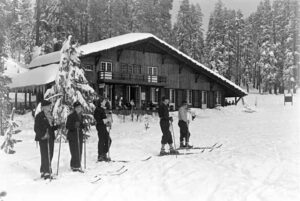
Being both California’s oldest ski resort and one of a small number of ski areas operating inside a national park places Badger Pass in a rare category. The combination of historical significance and federally protected surroundings shapes the character of the facility. Development at the ski area has remained limited, and operations focus on providing accessible recreation rather than large-scale resort amenities.
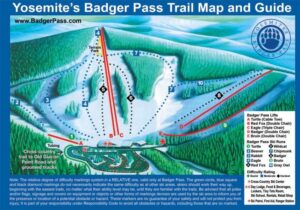
Badger Pass encompasses approximately 90 acres of skiable terrain, with 10 designated downhill runs served by five lifts. The top elevation reaches around 8,000 feet. Terrain at the ski area is primarily designed for beginner and intermediate skiers and snowboarders, with fewer advanced options. This emphasis reflects Badger Pass’s long-standing role as an entry point for people learning winter sports.
Ski and snowboard lessons are offered for children and adults, including group and private instruction. Instruction has historically been a central component of Badger Pass operations, supporting its reputation as a training-oriented ski area rather than a high-volume destination resort. Many families choose Badger Pass specifically because of its manageable terrain, instructional programs, and smaller overall scale.
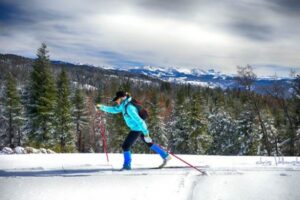
In addition to lift-served skiing and snowboarding, Badger Pass provides access to groomed cross-country ski and snowshoe trails that extend into surrounding forested areas of Yosemite National Park. These trails allow visitors to explore winter landscapes beyond the downhill slopes and are often used by individuals seeking quieter, self-paced activities. A designated snow tubing area offers another option for visitors who may not wish to ski or snowboard.
The Badger Pass Day Lodge serves as the central gathering point for the ski area. The lodge includes rental services for downhill skis, snowboards, cross-country skis, and snowshoes, along with food service, indoor seating, restrooms, and limited retail offerings. Outdoor deck space provides views of the slopes and surrounding forest when weather conditions allow.
Access to Badger Pass is provided via Glacier Point Road, which is maintained for winter travel. During snowstorms and periods of heavy accumulation, chain restrictions are common, and visitors are required to carry or install tire chains or use approved traction devices. Shuttle service between Yosemite Valley and Badger Pass is typically offered during the winter season, though availability can vary based on conditions and staffing.
Because Badger Pass operates entirely on natural snowfall and does not utilize snowmaking systems, the ski area’s season and daily operations depend heavily on weather patterns. The season generally runs from mid-December through late March, though opening and closing dates vary each year. Storm cycles, temperature changes, and road conditions all influence whether lifts and facilities are able to operate.
Compared to large commercial ski resorts elsewhere in the Sierra Nevada, Badger Pass maintains a smaller footprint and generally experiences lower daily visitation. While weekends and holidays can still be busy, the overall scale of the ski area limits crowd size, often resulting in shorter lift lines and less congestion on slopes.
Badger Pass does not offer on-site lodging. Visitors typically stay in Yosemite Valley, Wawona, or nearby gateway communities, or arrive on day trips from surrounding mountain towns. As part of Yosemite National Park, commercial development near the ski area is intentionally minimal.
Winter recreation at Badger Pass is part of Yosemite National Park’s broader seasonal offerings, which include snowshoe walks, cross-country skiing, ice skating in Yosemite Valley, winter sightseeing, and ranger-led
programs. Many areas of the park operate on reduced schedules during winter months, and some roads and trails may be closed due to snow.
More than ninety years after it first opened, Badger Pass Ski Area continues to function much as it was originally intended: a small, historic ski area providing access to winter recreation within one of the nation’s most well-known national parks. Its status as California’s oldest ski resort and as one of only a few ski areas located inside a national park remains central to its identity and ongoing appeal.
Yosemite National Park Implements New Non-Resident Entrance Pass Fees